Guide
Undermount or inset? Sink installation compared
Last update:
3 min read
Published:
The three installation methods at a glance
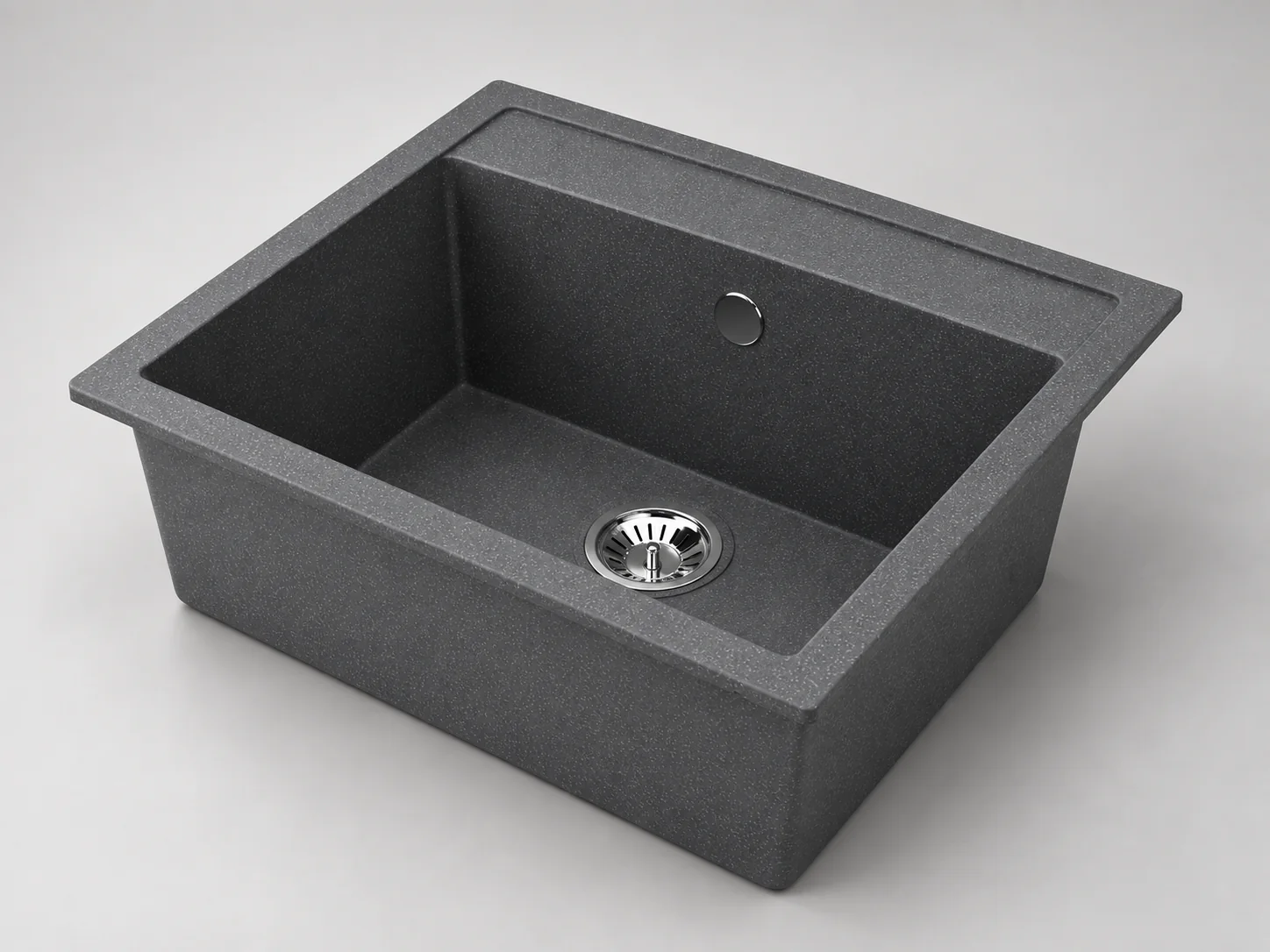
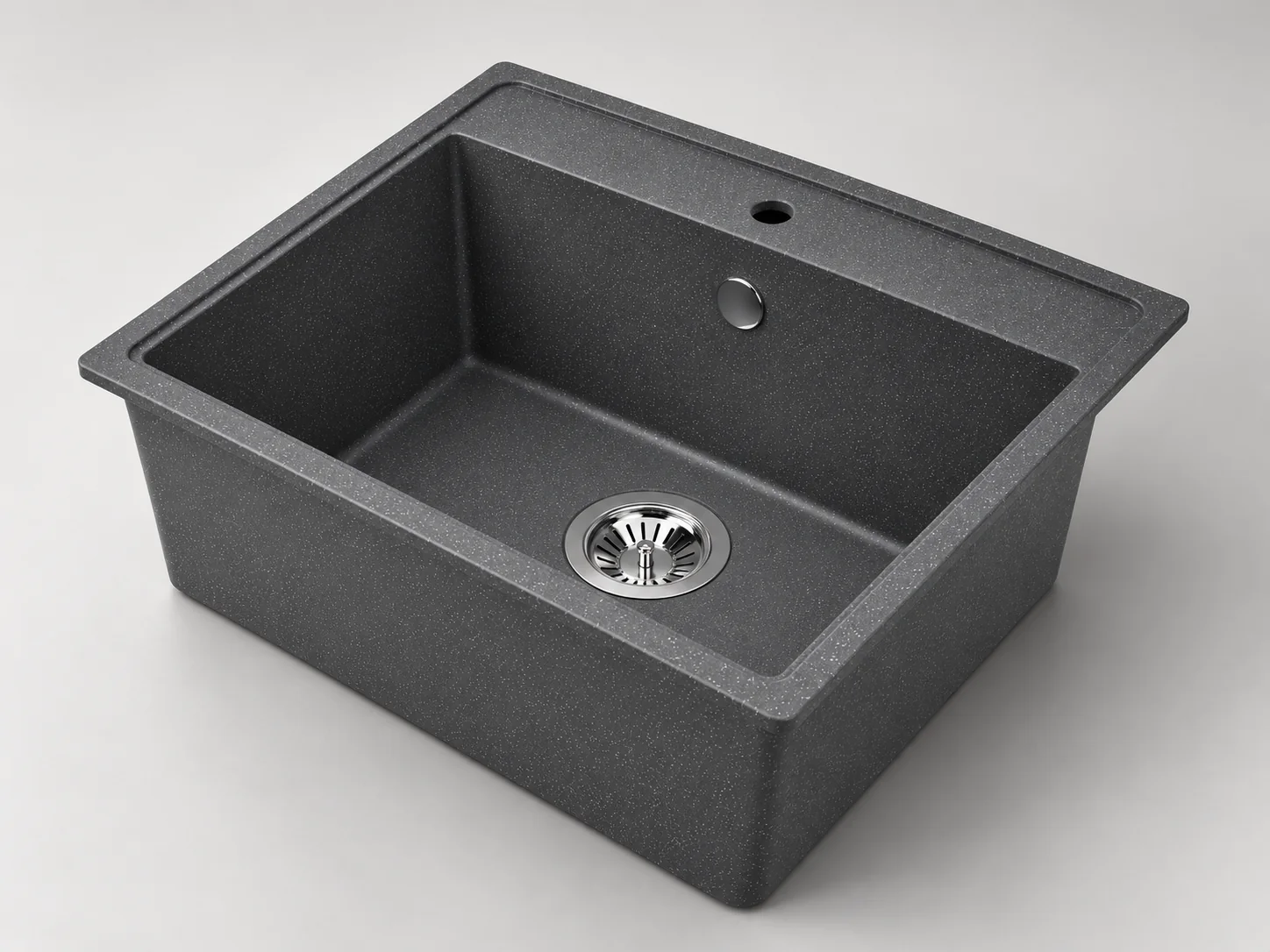
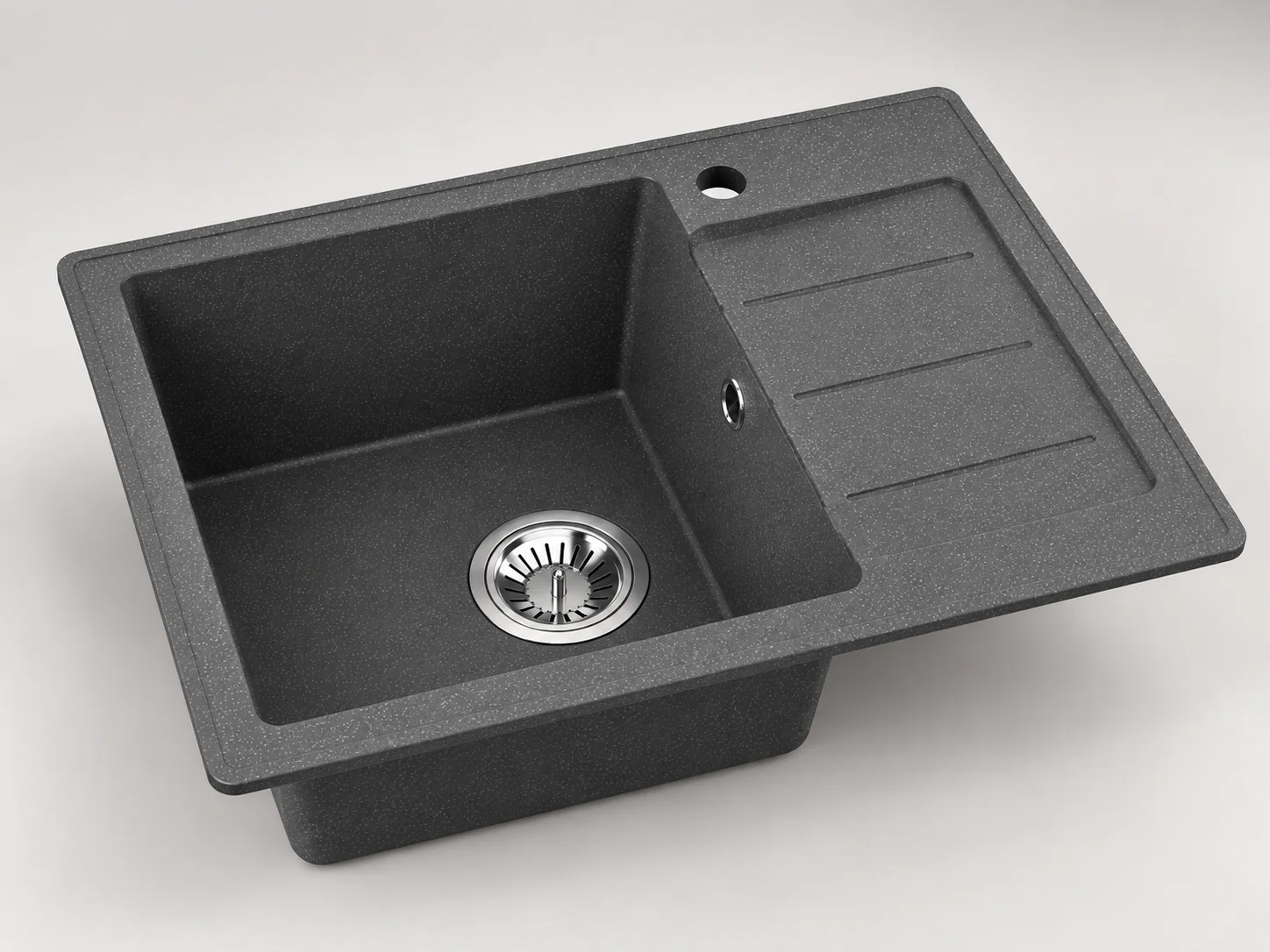
With inset installation, the sink rim rests on the worktop; this is the most common and flexible method. An undermount sink is fixed beneath the worktop with its rim hidden. A flush-mount sink sits in a routed recess so that its rim is level with the worktop surface.
All three serve the same purpose. The differences lie in appearance, worktop compatibility, fitting work and how easily the sink can be replaced later.
Inset sinks: flexible and straightforward
An inset sink works with almost any worktop, including laminate, wood, quartz composite and stone. Because the cut edge is covered by the sink rim, it does not need to provide an exposed water-resistant edge. The cut-out is usually made during kitchen installation.
Replacement is relatively straightforward: remove the old sink and enlarge the cut-out if the new model requires an equal or larger opening. One drawback is the silicone joint between the rim and worktop, which can collect dirt and may need renewing over time.
Undermount sinks: a continuous surface
An undermount sink creates a continuous transition from worktop to bowl. Water and crumbs can be swept straight in without catching on a rim, and the look is clean and simple. The tap is mounted in the worktop.
The exposed cut edge requires a water-resistant material that can be given a finished edge. Quartz composite, compact laminate and natural stone are generally suitable; standard laminate with a chipboard core is not. Cutting and fitting must be carried out by the worktop manufacturer or a specialist installer.
As the sink is secured underneath the worktop, replacing it is more difficult than replacing an inset sink. The new bowl opening must match the existing cut-out.
Flush-mount installation: level with the worktop
Flush mounting combines the practicality of an inset sink with the level appearance of an undermount sink. The worktop is prepared in two stages. First, an opening is cut for the sink body. As with inset installation, this is smaller than the overall sink dimensions, approximately 1 cm inside each edge. A recess is then routed around the opening for the rim. It extends approximately 2 mm beyond each outer edge and is as deep as the rim is thick. Once fitted, the sink sits level with the worktop, and the narrow perimeter joint is sealed.
This method requires precise workmanship and is not suitable for every worktop material. Product pages list the cut-out and recess dimensions together with the manufacturer’s permitted worktop thickness range. Retrofitting an existing worktop may not always be possible; it is easier to plan when fitting a new kitchen or replacing the worktop.
Which worktop material suits each installation type?
Inset installation is standard for laminate worktops. Quartz composite, compact laminate and natural stone generally allow all three methods. For undermount and flush mounting, the worktop thickness must fall within the product’s specified range. Undermount installation is not recommended for solid wood because the exposed cut edge will be in frequent contact with water.
Before deciding, consult your worktop manufacturer or installer. Some manufacturers set specific conditions for different installation methods.
Questions to ask before deciding
Are you fitting a new kitchen or replacing a sink in an existing worktop? What material is the worktop and how many millimetres thick is it? Who will cut and fit it, and have you budgeted for the work? Would you like the tap mounted in the sink or the worktop?
When replacing a sink in an existing worktop, an inset model usually requires the least fitting work. If you are installing a new stone or quartz composite worktop, undermount or flush-mount installation may also be worth considering.