Guide
A guide to sink dimensions and cabinet widths
Last update:
3 min read
Published:
How to read sink dimensions
Dimensions such as “86 × 50” in product names describe the sink’s overall size in centimetres. The first number is the length from left to right, and the second is the depth from front to back. They show how much worktop space the sink occupies, but do not by themselves tell you whether it fits your cabinet.
Three other measurements matter. Bowl dimensions give the opening size and depth of the washing bowl, determining whether items such as large baking trays fit. Cut-out dimensions specify the opening required in the worktop. Minimum base cabinet width is the smallest nominal cabinet width recommended by the manufacturer.
Why cabinet width matters more than overall sink size
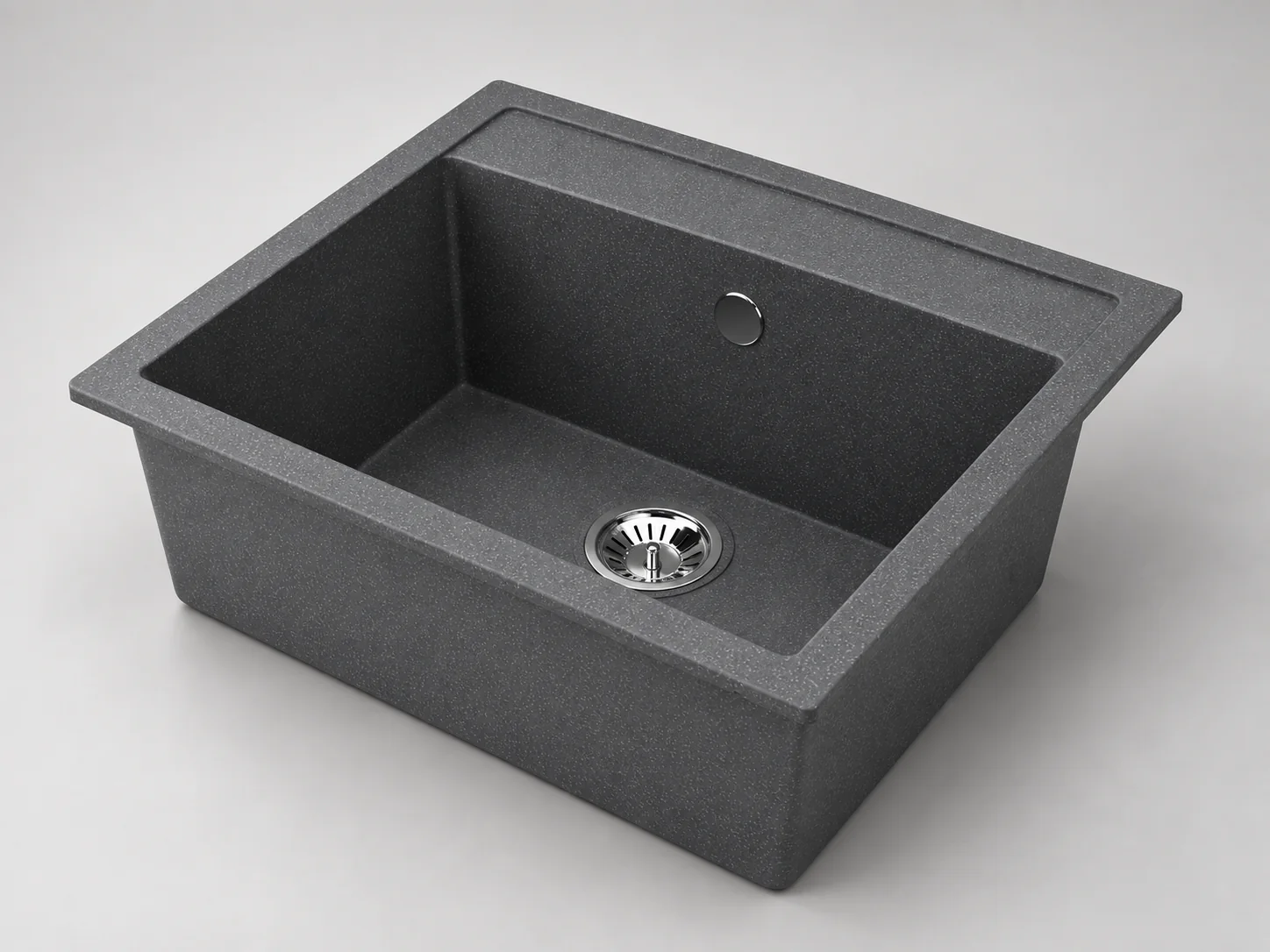
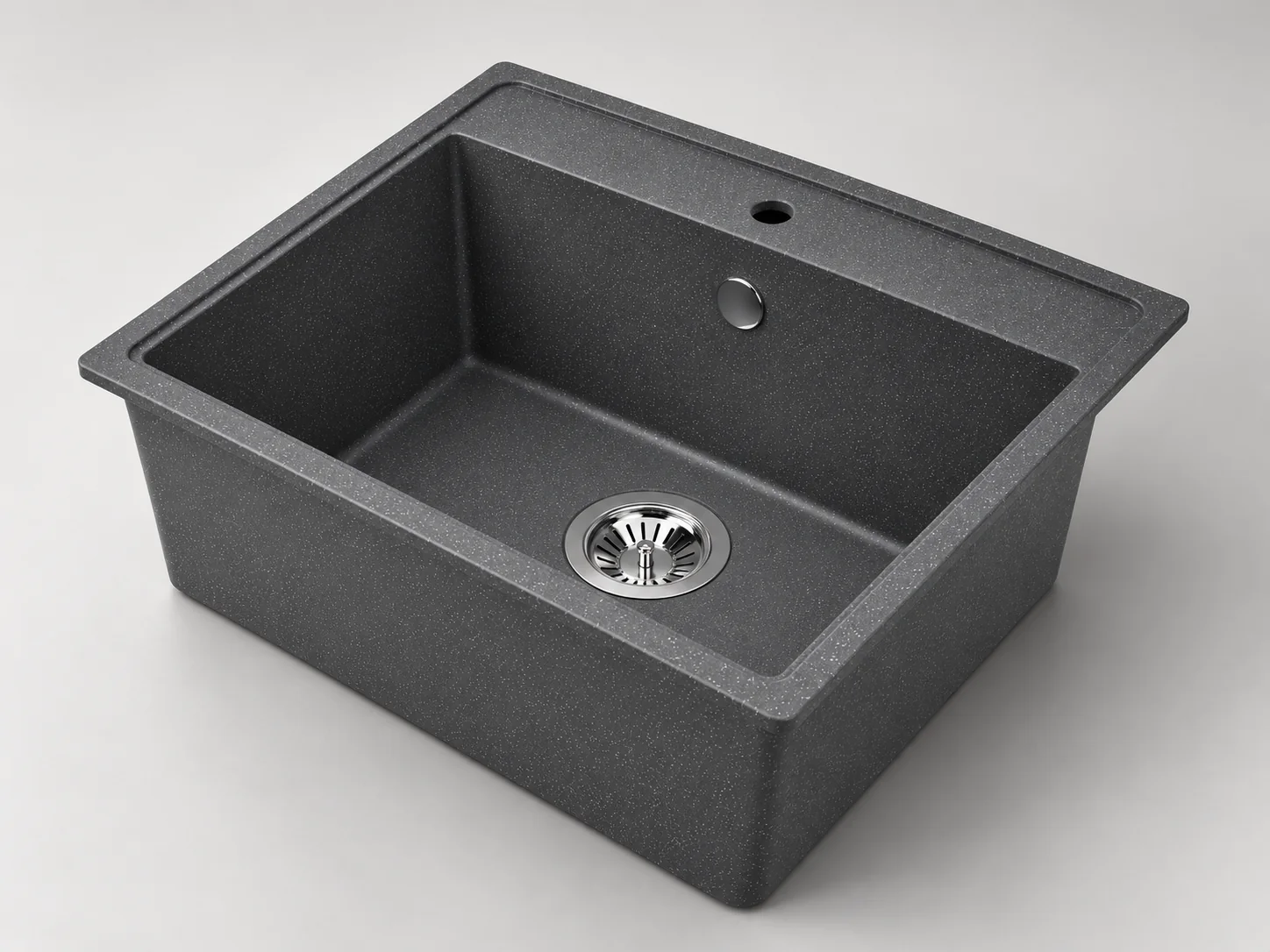
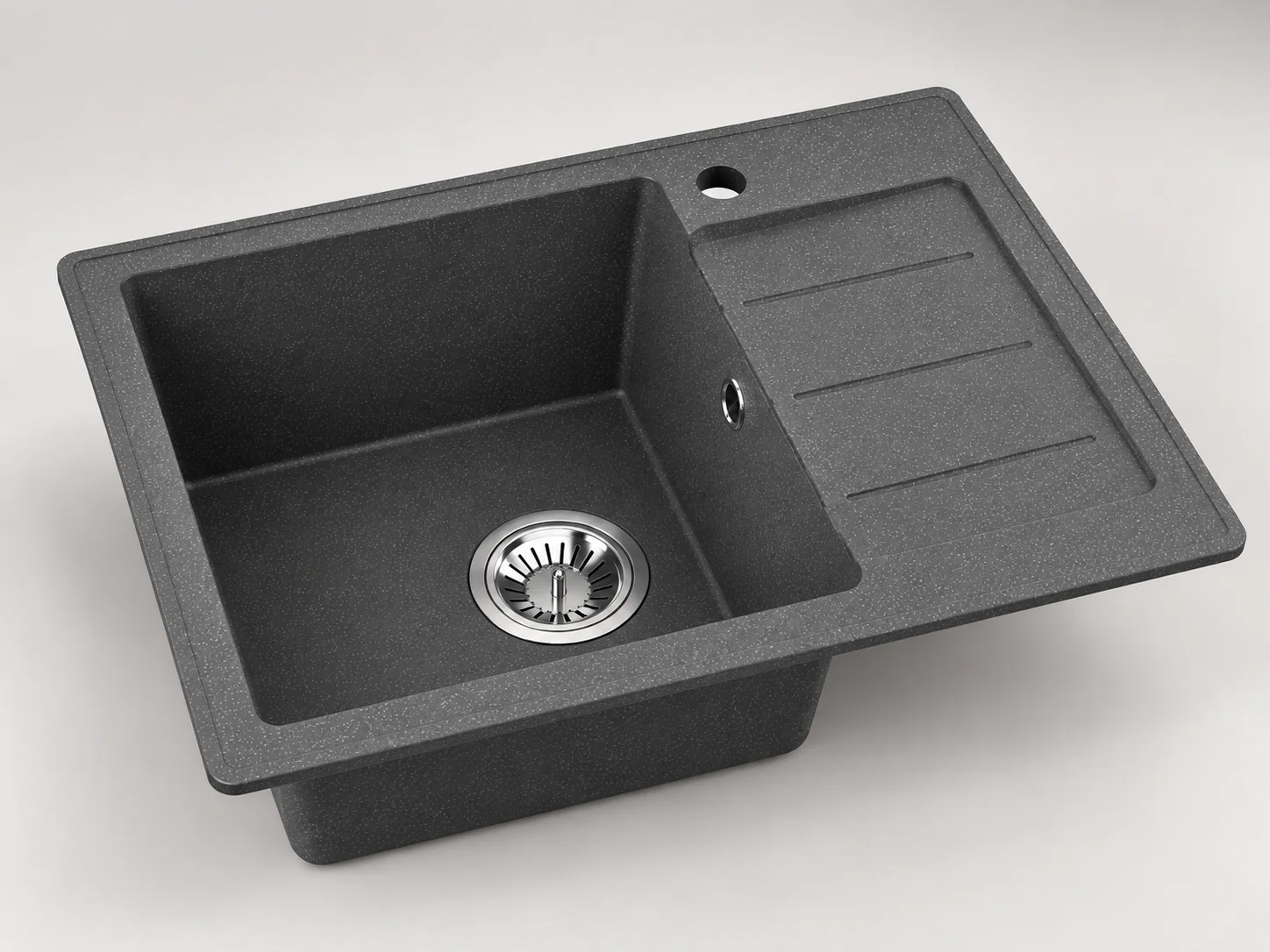
The cabinet beneath the sink only needs to accommodate the bowl and trap. A drainer can extend over the adjacent cabinet or worktop, so an 86 cm single-bowl sink with a drainer may fit a 45 cm cabinet. For the same reason, 100 cm drainer models can often fit cabinets measuring 50–60 cm.
The reverse can also apply. Undermount mounting hardware takes up room inside the cabinet, so a model with a 54 cm overall width may require a 60 cm cabinet. Double-bowl models need a substantially wider cabinet because both bowls must fit within it.
That is why product pages show the manufacturer’s minimum cabinet width alongside the overall dimensions whenever it is available. Where it is not, we do not guess whether the sink will fit. Send us your measurements and we can check together.
How to measure your sink cabinet
Kitchen cabinets are made in nominal module widths such as 45, 50, 60, 80, 90, 100 and 120 cm. Manufacturers’ minimum cabinet requirements refer to these nominal sizes. If you do not know yours, measure the cabinet carcass from outer edge to outer edge, rather than measuring the door. The result is usually close to one of these standard widths.
You can also measure the internal width. The side panels make it a few centimetres narrower than the nominal size. This helps you check that the bowl and trap fit comfortably, especially if the cabinet also contains pipes, a filter or a waste bin.
Choosing a sink for your cabinet width
As a starting point, 45 and 50 cm cabinets suit compact single-bowl models and many single-bowl sinks with a drainer. A 60 cm cabinet can accommodate larger single bowls, 1.5-bowl sinks and compact undermount models. Cabinets of 80 cm or more provide room for wide bowls, double bowls and larger undermount sinks.
These are only starting points. Always base your final choice on the specific model’s minimum cabinet width, listed with the dimensions on its product page whenever known.
Worktop depth, tap clearance and cut-out
Standard kitchen worktops are usually 60 cm deep. A 50 cm-deep sink leaves space at the front and back; the rear clearance is needed for the tap and for cleaning. On shallower worktops, models measuring 44–45 cm front to back leave enough room between the sink and the front edge.
For a new cut-out, use the dimensions listed on the product page. When replacing an existing sink, measure the old opening first. If the new sink needs an equal or larger opening, the cut-out can be enlarged if necessary. If it needs a smaller opening, the rim may not cover the old cut-out.
A quick checklist before ordering
Before ordering, check: What is my cabinet’s nominal width? How deep is my worktop and what material is it made from? Will I use inset or undermount installation? Will the tap be fitted to the sink or the worktop? If there is an existing cut-out, what size is it?
In most cases, comparing these measurements with the product’s technical specifications is enough. If you are unsure about any dimension, send us your measurements so we can check them together before you order.