Guide
Granite or stainless steel sink?
Last update:
2 min read
Published:
The short answer
Both materials have been used successfully in kitchens for many years. The choice usually comes down to appearance, the kitchen’s colour scheme, your habits and your budget. The sections below outline the differences worth considering.
Material differences
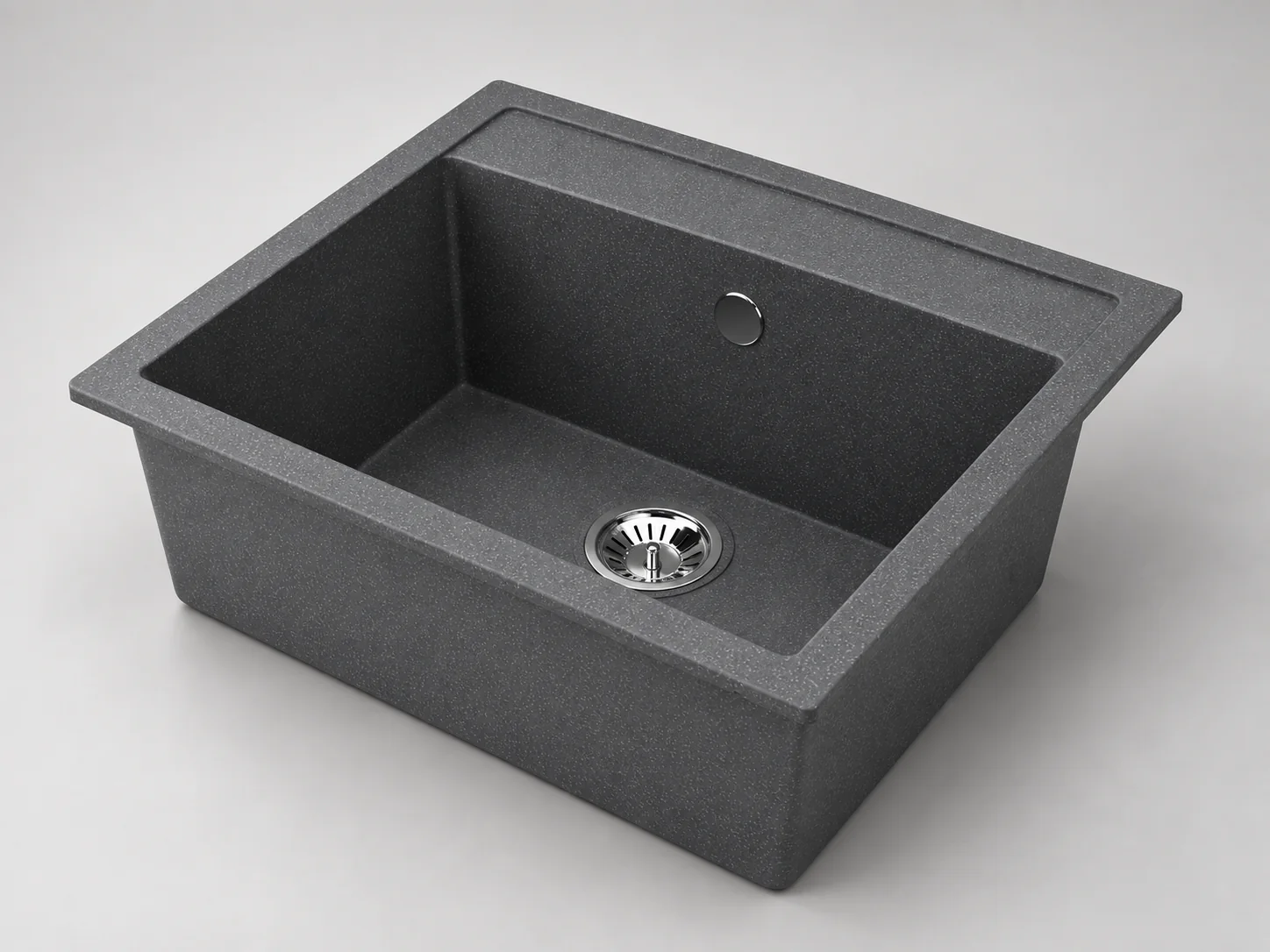
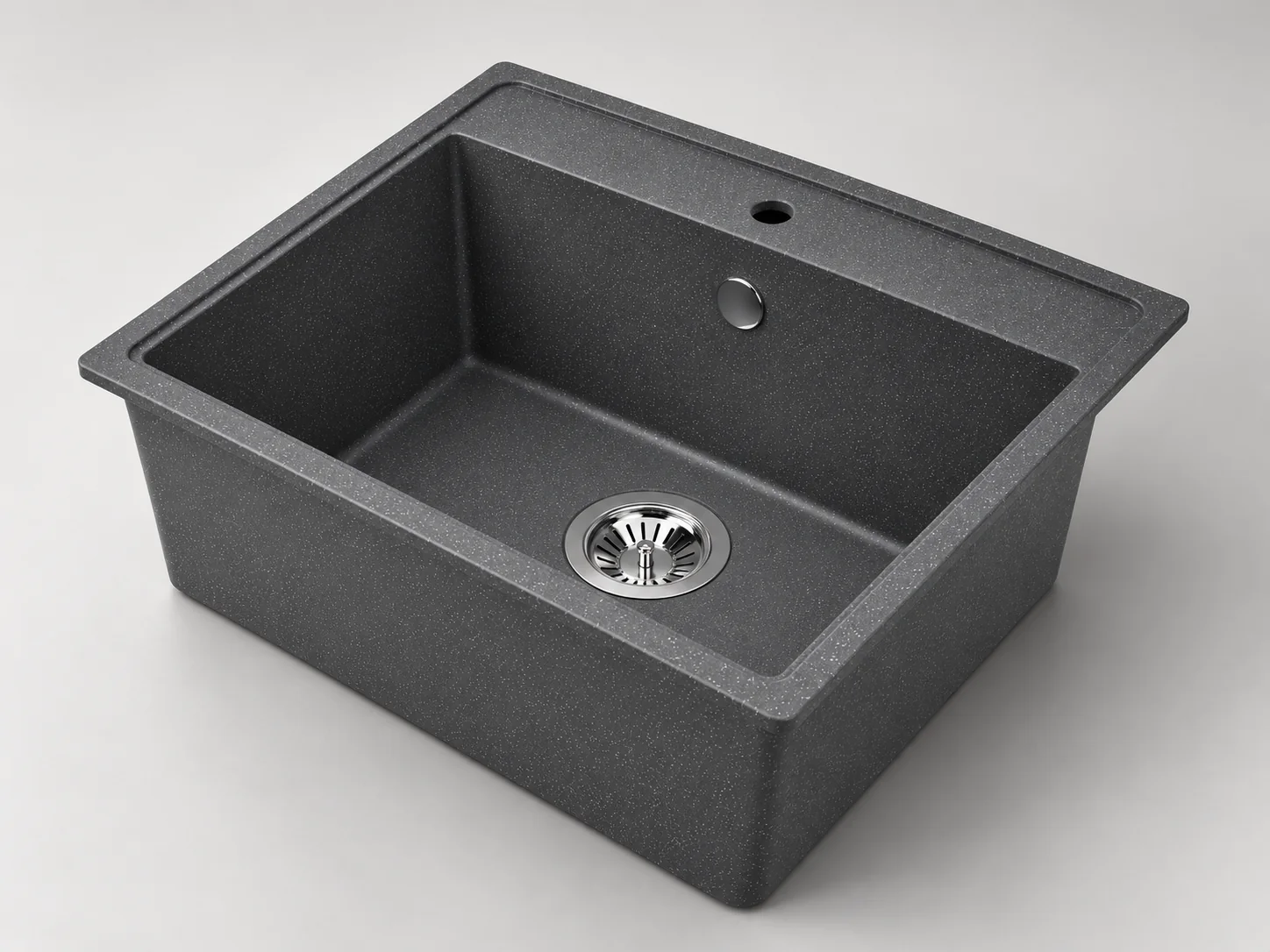
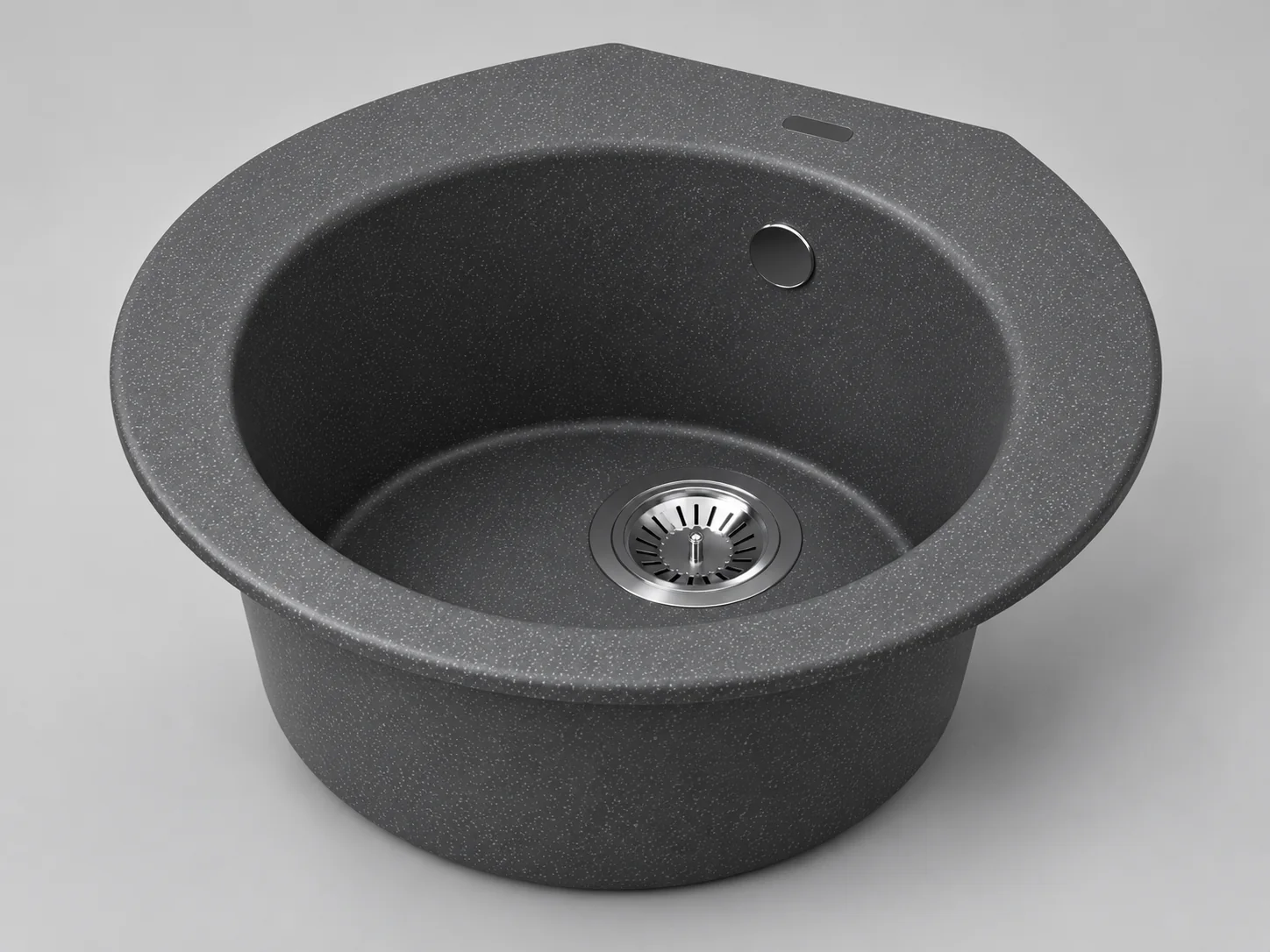
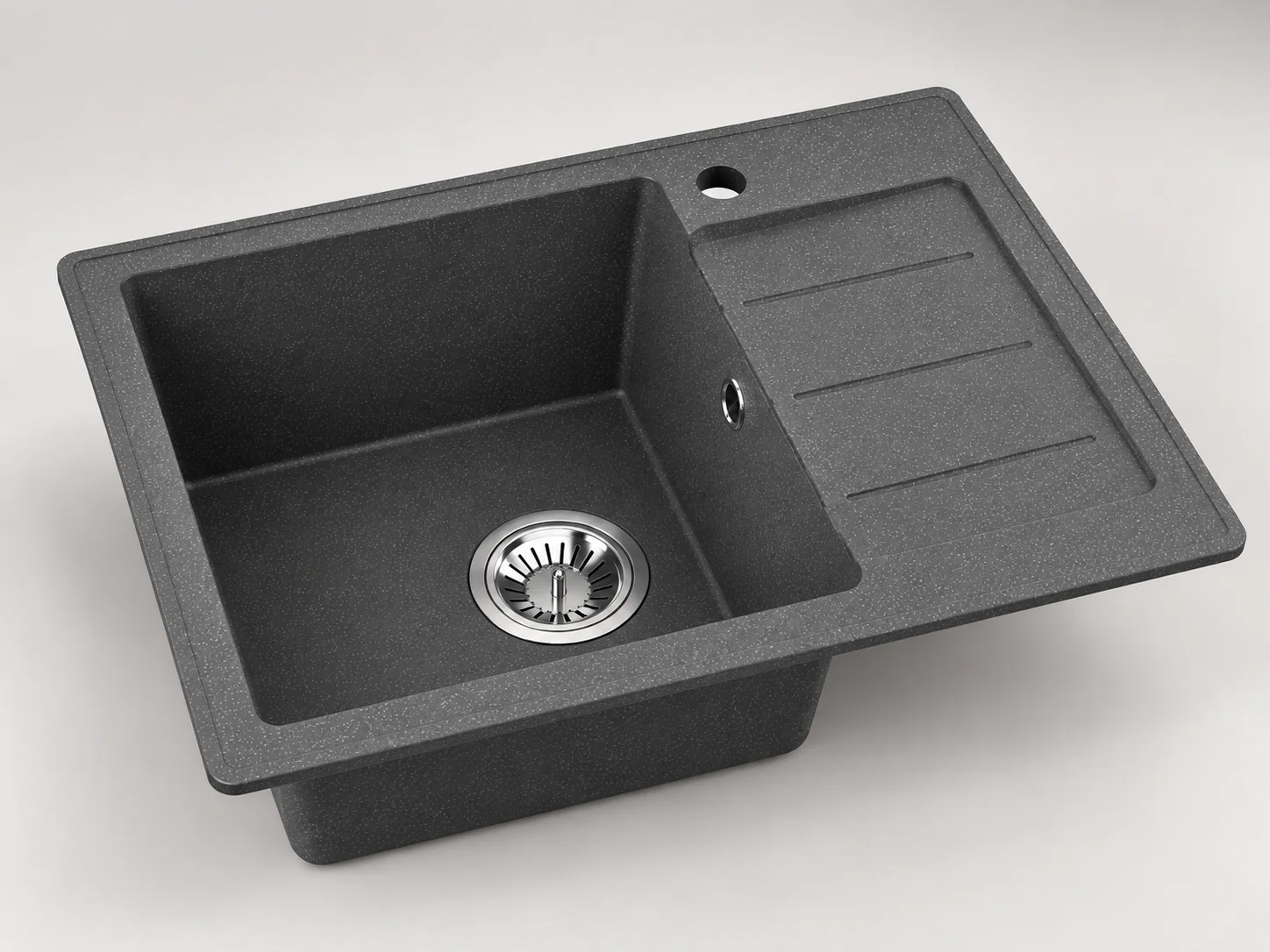
Granite sinks are not carved from solid granite. They are composite products moulded from stone powder and resin. The ingredients and proportions vary by manufacturer, so each product page gives the composition based on the supplier’s declaration.
Stainless steel sinks are made by pressing steel sheet or welding sections together. Sheet thickness and the surface finish—polished, satin or brushed—determine their appearance and feel.
Appearance and colour
The most distinctive features of a composite sink are its colour and texture. It has a matt, stone-like surface and comes in shades ranging from black and white to grey and earth tones. This makes it easier to coordinate the sink with the worktop and cabinets.
A stainless steel sink has a neutral, metallic appearance that works with almost any kitchen, but offers no comparable choice of colours. It may appeal to those seeking an industrial or professional kitchen look.
Everyday use: sound, stains and marks
Running water and pots placed in a steel sink tend to make more noise. The sound-damping pads underneath can reduce or increase the perceived difference. Composite sinks generally produce a more muted sound.
Water droplets and fingerprints tend to show more on steel, while limescale is more noticeable on composite surfaces, especially dark colours. Both materials can develop signs of use over time. Visibility depends on the colour, finish and care routine. Manufacturer claims vary, so check the documentation for the particular product.
Weight, installation and impact
Composite sinks are considerably heavier than steel sinks of the same size; our models weigh approximately 8 to 15 kg net. This difference is not a problem for inset installation, but the large, heavy parcel often means delivery is to the building entrance.
Both materials are available in inset and undermount models. They respond differently to impacts: thin steel can dent if a heavy object falls onto it, while a hard, pointed impact can crack a composite body.
Price and warranty
Both materials span a wide price range. Dimensions, bowl count, installation type and manufacturing quality often affect the price more than the material itself. For a useful comparison, choose products of similar size and layout.
Whichever sink you choose, keep the warranty certificate and installation requirements. All sinks on our website have a warranty of at least 2 years. The product’s warranty certificate sets out the coverage.